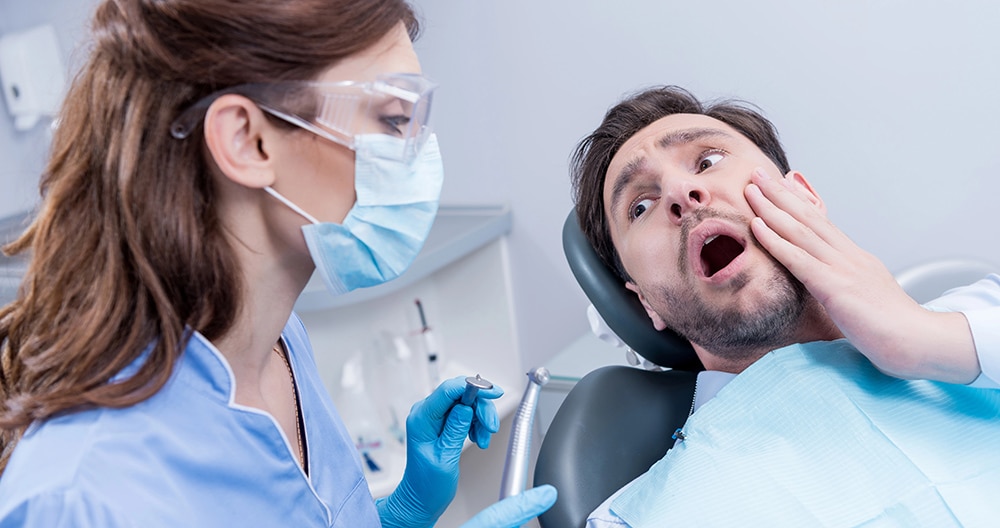

A sore jaw, a joint that clicks every time you open your mouth, or waking up with tight face muscles can all be signs of a problem with the jaw joint or the muscles that move it. These problems are common, and for many people they settle with simple, conservative care.
At Barrie Heights Family Dentistry, Dr. Rebeca Riojas-Ozturk, a general and family dentist, can examine your jaw, look for dental causes such as clenching and grinding, and talk you through the options. This page explains what TMJ and TMD mean, the signs to watch for, and when care beyond our office may be needed.
What is the TMJ, and what is TMD?
TMJ stands for temporomandibular joint. You have one on each side of your head, just in front of your ears, where your lower jaw meets your skull. These joints let your jaw hinge open and slide forward and sideways, which is what allows you to talk, chew and yawn. You can feel them move if you rest your fingers in front of your ears and open your mouth.
TMD stands for temporomandibular disorder. It is the name for problems affecting the jaw joints, the chewing muscles, or both. In everyday speech many people say “TMJ” when they mean the disorder, so both terms are used for the same thing.
What are the common signs of a jaw joint problem?
Symptoms vary a great deal from person to person. Common ones include:
- Pain or aching in the jaw, face or temples, often worse when chewing
- Clicking, popping or grating sounds when you open or close your mouth
- Difficulty opening your mouth fully, or a jaw that feels stuck
- Pain in or around the ear, or a feeling of fullness in the ear
- Headaches, particularly on waking
- Tired or tight jaw muscles, especially in the morning
- Teeth that look worn, chipped or flattened from grinding
Clicking on its own, without pain or restricted movement, is common and is not always a sign that treatment is needed. It is still worth mentioning at your next checkup.
What causes jaw pain and TMD?
Often there is more than one cause, and sometimes no single cause can be found. Factors that can play a part include:
- Clenching or grinding the teeth, during the day or in sleep, which overworks the jaw muscles
- An injury to the jaw, face or head
- Arthritis affecting the jaw joint, as it can affect other joints in the body
- Stress, which can increase muscle tension and clenching
- Bite problems, where the teeth do not meet evenly
Many people who grind their teeth at night do not know they do it until a partner hears it or a dentist notices wear on the teeth.
What can a general dentist assess?
A general dentist is often a sensible first stop for jaw pain, because the teeth, bite and chewing muscles are part of a routine dental exam. At your appointment, your dentist will:
- Ask about your symptoms, when they started, what makes them worse, and any history of injury
- Watch how your jaw opens, closes and moves side to side, and listen for joint sounds
- Gently feel the jaw joints and the muscles of the face, jaw and neck for tenderness
- Look at your teeth for signs of wear from grinding, and check how your bite fits together
- Take X-rays or arrange other imaging if they are needed
Part of the assessment is ruling out other causes. Toothache, a cracked tooth or an infection can feel very similar to jaw joint pain, and these need different treatment.
What treatment options are available at our Barrie office?
Most jaw problems are managed first with conservative, reversible care. Your dentist will explain which options are suitable for you, and your plan may combine more than one.
Custom night guards
A night guard is a thin, custom-made appliance worn over the teeth, usually while you sleep. It places a smooth layer between the upper and lower teeth, which can reduce the strain of clenching and grinding on the jaw muscles and joints, and helps protect teeth from further wear. It is made to fit your mouth, which helps with comfort and stability.
Bite adjustments
Where uneven contact between the teeth appears to be contributing to muscle strain, a bite adjustment may be considered. This involves small, careful changes so that the teeth meet more evenly. Because adjustments change the tooth surface, your dentist will only recommend one after a thorough assessment and a full discussion with you.
The same approaches used for jaw tension can sometimes help with headaches linked to clenching. See our page on migraine pain prevention for more.
What can you do at home to ease jaw pain?
Self-care is an important part of managing jaw problems, and it helps alongside any treatment your dentist recommends. Simple steps include:
- Eating softer foods for a while and cutting food into smaller pieces
- Avoiding chewing gum, very chewy food and biting your nails or pens
- Avoiding very wide yawns or opening your mouth wider than is comfortable
- Applying a warm or cool compress to the sore area for short periods
- Noticing when you clench during the day and letting your jaw relax, with lips together and teeth slightly apart
- Finding ways to manage stress, since tension often shows up in the jaw
Ask your dentist or pharmacist which over-the-counter pain relief is suitable for you.
When is a referral needed?
Many people improve with conservative care. Sometimes, though, jaw problems need a wider team. Your dentist may suggest involving your family doctor or a physiotherapist, particularly where neck and posture problems play a part or where arthritis is suspected.
If your symptoms point to a joint problem that needs further investigation, if pain continues despite treatment, or if your jaw is repeatedly locking, we will refer you when a specialist’s care is needed. We will explain the reason for any referral and what to expect next.
When should jaw pain be seen urgently?
Call us, or seek medical care, promptly if:
- Your jaw is locked open or closed
- You have had a blow to the face or jaw and your bite suddenly feels different
- You have swelling in your face or jaw, especially with a fever
- Jaw pain comes with chest pain, shortness of breath or pain spreading down the arm, in which case call 911
Is TMJ or TMD care covered by insurance?
Coverage for night guards and related treatment varies between plans. We can bill many insurance companies directly, and we will explain costs and coverage before treatment.
How do I book an assessment?
If your jaw is sore, clicking or tight, or you think you may be grinding your teeth, call Barrie Heights Family Dentistry at (705) 730-0721 or send a request through our appointment request page. We are at 352 Yonge St, Barrie.
Frequently asked questions
Is TMJ the same as TMD?
TMJ is the name of the jaw joint itself. TMD, temporomandibular disorder, is the term for problems affecting the joint or the chewing muscles. Many people say TMJ to mean both.
Can a family dentist treat TMJ problems?
A general or family dentist can assess the jaw, teeth and bite, and provide conservative care such as a custom night guard. If a problem needs further investigation or care outside our office, your dentist will explain the next steps and arrange a referral.
Will a night guard stop my jaw pain?
A night guard can reduce the strain of clenching and grinding and protect your teeth, and many people find it helps. Results vary, and it often helps most when combined with self-care. Your dentist will review how you are getting on.
My jaw clicks but does not hurt. Should I be worried?
Clicking without pain or difficulty opening is common and does not always need treatment. Mention it at your next checkup so your dentist can keep an eye on it.
Can stress cause jaw pain?
Stress can lead to clenching and muscle tension, which can contribute to jaw pain and headaches. Managing stress is often part of a jaw care plan.